
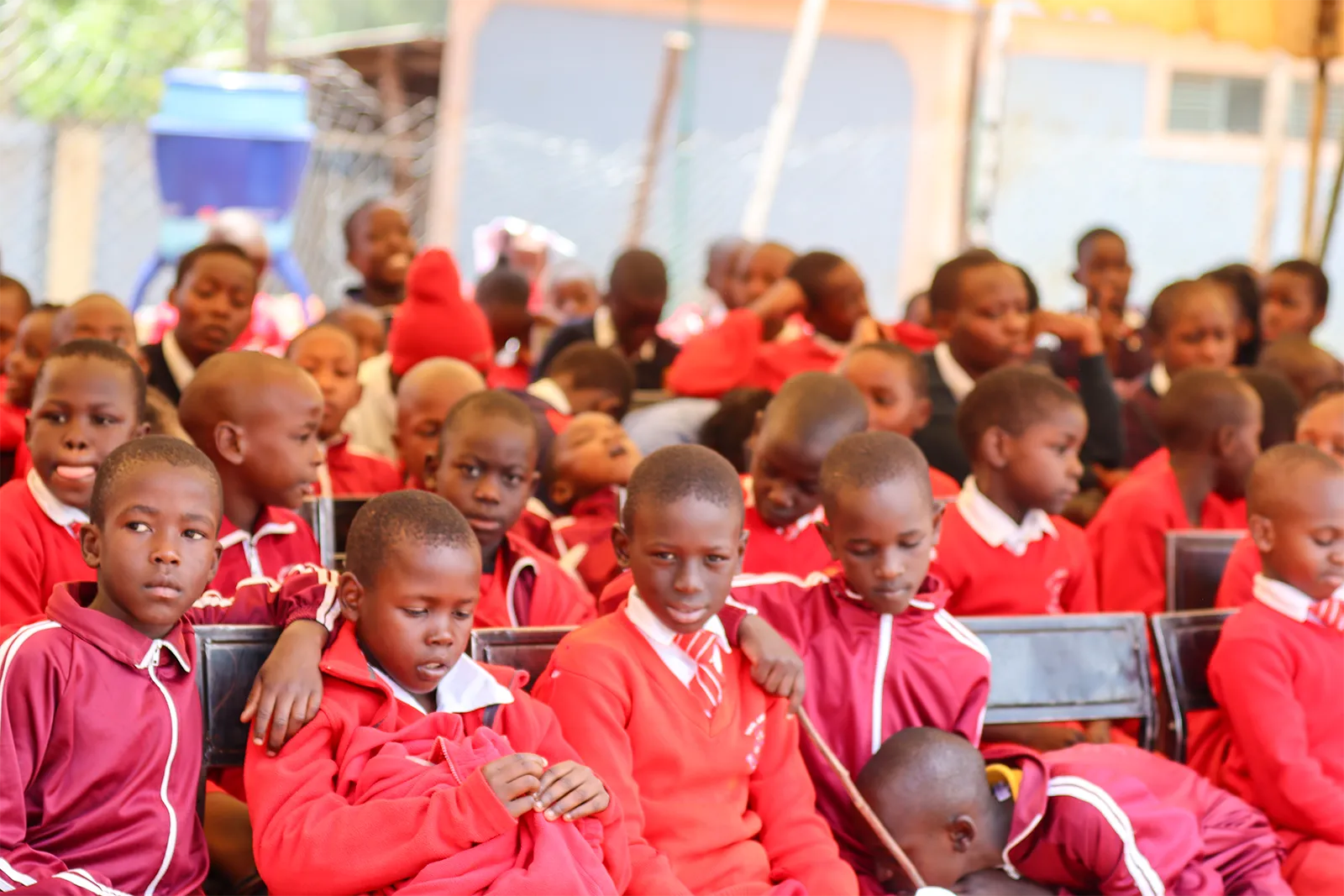
The long end-of-year holiday is one of the best parts of childhood. It's also the time when parents start to worry: will my child forget everything by January? The good news is that keeping a child's mind active over the break doesn't take workbooks every morning or arguments every evening. A few relaxed habits are enough.
Keep a Loose Daily Rhythm
Children cope best with some structure, even on holiday. You don't need a timetable, just a few anchors: a regular wake-up time, meals at roughly the same hours, and a predictable bedtime. A steady rhythm also makes the return to school in January much easier.
Make Reading the Non-Negotiable
If you do only one thing this holiday, make it reading. Twenty minutes a day adds up to more than 18 hours over the break. Let your child choose: storybooks, comics, the newspaper, a recipe or a football magazine all count. For younger children, read aloud together and ask simple questions: What do you think happens next? Why did she do that?
Find the Learning in Everyday Life
The Competency Based Curriculum (CBC) values skills children use in real life, and home is full of them:
- Maths at the market: let your child add up prices, count change or compare which pack is better value.
- Science in the kitchen: measuring, mixing and boiling are all experiments. Ask what changed and why.
- Writing with a purpose: a shopping list, a letter to a grandparent or a short holiday diary.
- Responsibility: looking after a small garden bed, a pet or younger siblings for a short time.
Limit Screens Without Banning Them
Phones and TV will fill every empty hour if you let them. Agree on simple rules together, such as no screens during meals and none in the hour before bed, and stick to them. Children accept limits far more easily when they helped set them.
Short, Light Practice Is Enough
If your child needs extra support in a subject, a short daily session of 15 to 20 minutes is far more effective than a two-hour block once a week. Keep it light, stop while it's still going well, and praise effort rather than speed.
Let Them Rest and Play
Rest is part of learning. Unstructured play, time outdoors, visits to relatives and simply being bored all help children grow creative and independent. A child who comes back in January rested and curious is in a far better place than one who spent the holiday doing worksheets.
Getting Ready for January
In the last week of the holiday, move bedtime earlier, check uniforms and books, and talk positively about the term ahead. You'll find the 2027 opening date and other key events on our school calendar.
Have a restful holiday, and we'll see you in the new year. Arise, Shine and Compete.

Leave a Reply
Have a question or thought about this article? Leave a comment below — our team reviews every submission and will get back to you. Comments appear here once they are approved.
Thank you for your comment
It has been sent to our team for review. Approved comments are added to this post.
Your comment wasn’t sent
There was a problem sending your comment. Please try again, or call us on +254 716 263 244.